
Lotus Endometriosis Institute, a clinic that specializes in endometriosis treatment, has released a guide to the differences between ablation and excision, two surgical methods used to manage endometriosis.
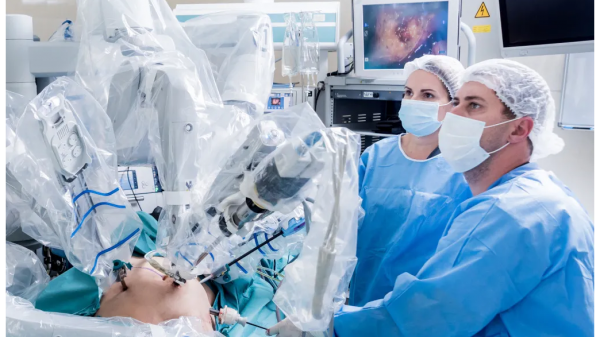
-- Lotus Endometriosis Institute has released a guide covering the differences between ablation and excision, two surgical procedures that may be recommended in the treatment and management of severe endometriosis, an incurable and often painful condition that affects many reproductive-aged women and female-identifying individuals. The resource details how endometriosis type can affect the efficacy of surgery, situations where one method may be preferred over the other, and whether surgery is even necessary for certain cases.
For more information, please visit https://lotusendo.com/posts/excision-vs-ablation-understanding-endometriosis-surgery
Lotus Endometriosis Institute’s guide defines endometriosis as a disease of abnormal tissue growth. Because of the nature of the condition, it may be managed by hormonal treatments, anti-inflammatory medications, and lifestyle adjustments. Surgery is typically only considered in more complex cases where infertility occurs, other organs are involved, and symptoms persist despite medical therapy, and doctors may recommend either excision or ablation to manage extensive lesion growth.
The difference between procedures lies in how the disease is managed: During excision, endometriosis lesions are surgically cut out of the patient’s body, removing the disease completely. Conversely, ablation involves destroying the surface of the lesion, typically using bipolar coagulation, laser, or other thermal technologies to “burn” the disease off. Surgeons may use both methods during the procedure, depending on the size of lesions and the areas where they occur, and research has shown that both approaches can improve pain, especially dysmenorrhea (period pain), dyspareunia (pain during sex), and chronic pelvic pain.
However, Lotus Endometriosis Institute’s guide notes that burn injuries are prone to more inflammation and are at risk for scarring and fibrosis, so ablation may result in longer recovery times than excision. Additionally, robotic assistance and advanced 3D optics used in excision surgeries can improve precision and reduce trauma, lowering the risk of postoperative complications.
In spite of the advantages of excision, Lotus Endometriosis Institute says that current research does not indicate one method is superior over the other. Rather than focus on the procedure, patients are encouraged to ask their provider about their diagnosis, how the provider will address certain parts of the disease, how they will preserve organ function, and aftercare plans - these factors can significantly impact outcomes regardless of whether excision or ablation is chosen.
More information is available at https://lotusendo.com/
Contact Info:
Name: Dr. Steven Vasilev
Email: Send Email
Organization: Lotus Endometriosis Institute
Address: 154 Traffic Way, Arroyo Grande, CA 93420, United States
Website: https://lotusendo.com
Source: PressCable
Release ID: 89206221
Should any problems, inaccuracies, or doubts arise from the content contained within this press release, we kindly request that you inform us immediately by contacting [email protected] (it is important to note that this email is the authorized channel for such matters, sending multiple emails to multiple addresses does not necessarily help expedite your request). Our dedicated team will promptly address your concerns within 8 hours, taking necessary steps to rectify identified issues or assist with the removal process. Providing accurate and dependable information is at the core of our commitment to our readers.



